
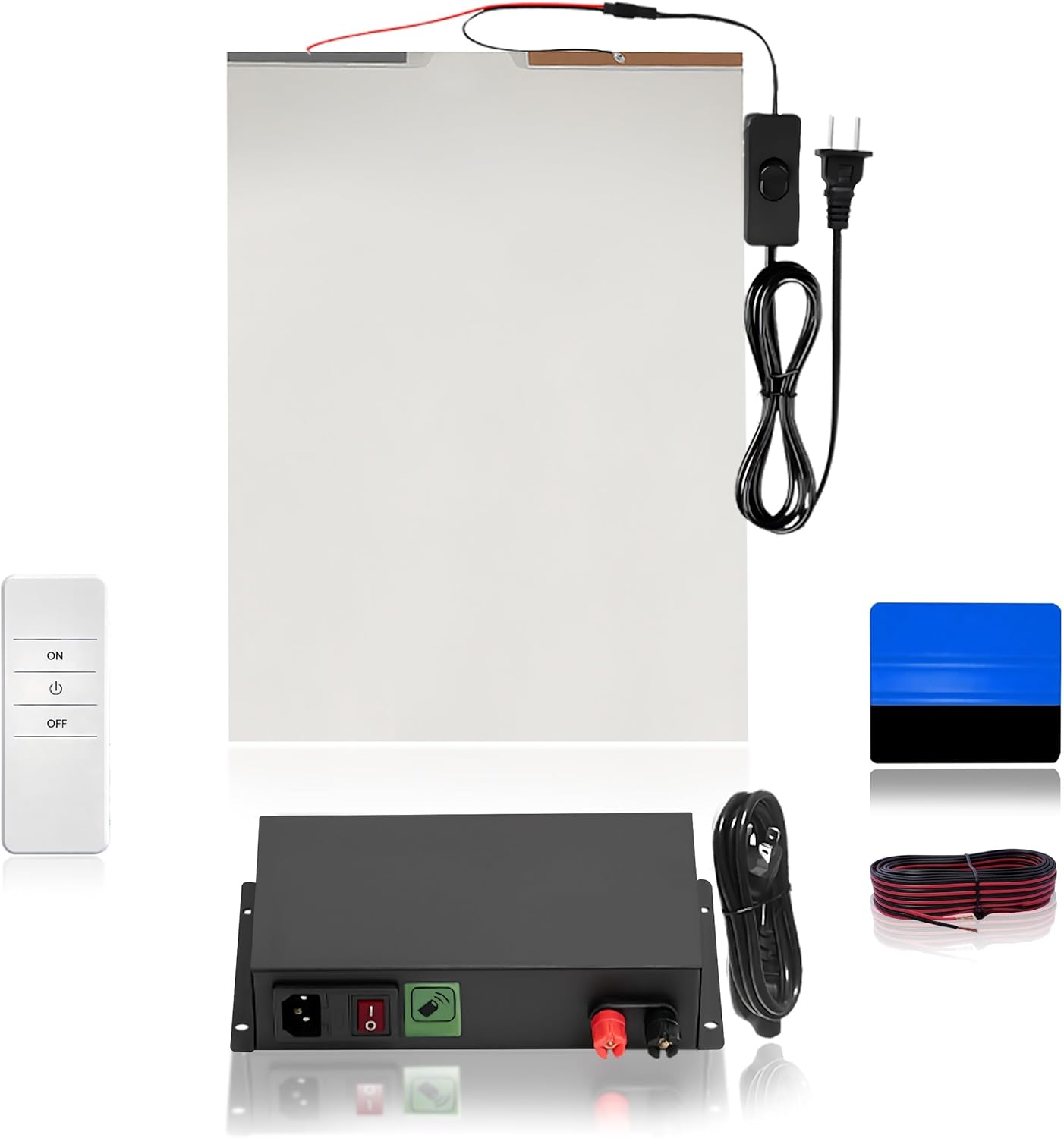
Smart Film: Can be applied to existing windows without requiring replacement; it becomes transparent when powered on and opaque (frosted) when powered off.
Smart Glass: Installed during renovation; it becomes transparent when powered on and opaque (frosted) when powered off, offering the same effect as smart film.
Installation Scenario
🪟 Architectural Doors and Windows
Office Buildings: Installed on glass curtain walls or windows, these systems automatically adjust light transmission based on outdoor light intensity. This reduces glare-related disturbances for office staff, lowers air-conditioning energy consumption, and enhances workplace comfort.
Residential Homes: Used for balcony and bedroom windows, they regulate light during the day to prevent indoor overheating and switch to a transparent mode at night to preserve views. They can also replace traditional curtains, saving space and improving overall aesthetics.
Commercial Complexes: Floor-to-ceiling windows in shopping malls and hotels utilize switchable films or smart glass. These ensure ample natural light while allowing the glass to switch to an opaque (frosted) state at specific times to protect privacy or create a unique atmosphere.
🖥️ Display Technology Sector
Electronic Screens: Used in computer monitors, tablets, and smartphone displays; enables visibility adjustments for sunlight conditions—automatically reducing light transmission to enhance contrast in bright light, and increasing transmission to reduce eye strain in low-light environments.
Projection Displays: Functions as a projection screen; displays clear images in the frosted state while restoring glass-like transparency in the clear state, making it suitable for settings such as conference rooms and exhibition halls.
🏥 Healthcare Sector
Medical Consultation Rooms: Used for glass partitions between consultation rooms and corridors; the glass switches to an opaque (frosted) state during patient consultations to ensure privacy, while remaining transparent at other times to allow medical staff to monitor the situation.
Medical Aesthetics Clinics: Smart film or switchable glass installed on the glass doors and windows of treatment rooms protects the privacy of clients while allowing external staff to view the interior when necessary.
🎭 Commercial Display Sector
Storefront Displays: Retail windows utilize switchable film or glass; they remain transparent during the day to showcase merchandise, while switching to an opaque (frosted) state at night—combined with internal lighting—to create unique advertising effects.
Exhibition Halls & Pavilions: Used for partitions or display walls, the transparency can be adjusted based on display requirements, highlighting exhibits while creating distinct atmospheres for visitors.
The only difference between smart film and smart glass lies in the timing of installation: the former can be applied to finished windows, whereas the latter must be ordered in advance when the windows are being installed.
They function identically: becoming transparent when powered and turning opaque (frosted) when the power is cut off.
Post time: 8 月-25-2026