
3D immersive LED screens represent a breakthrough in visual display technology; by combining ultra-high resolution, a sense of spatial depth, and interactive capabilities, they have transformed the way audiences engage with digital content. Unlike traditional 2D displays, these screens utilize advanced LED panel designs, optical engineering, and content processing algorithms to create lifelike 3D visuals, making the imagery appear to extend beyond the screen’s physical boundaries.
Key Features
Glasses-free 3D Experience:
Utilizing technologies such as parallax barriers, lenticular lenses, or light-field displays, these screens allow viewers to perceive realistic 3D depth from multiple angles without the need for special eyewear. For instance, Samsung’s 2026 “Spatial Signage” employs patented 3D Plate technology to create a sense of spatial depth behind the panel; the displayed content retains the clarity of 2D imagery while presenting natural 3D layering.
Ultra-high Resolution and Brightness:
Mainstream models typically feature 8K or higher resolution and brightness levels exceeding 1,200 nits—crucial for ensuring visibility in high-brightness environments. These characteristics make them suitable for both indoor and outdoor applications, ranging from stadiums to shopping malls.
Immersive Form Factors:
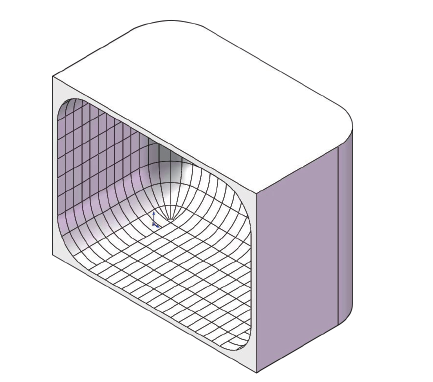
Designs such as curved, modular, or wrap-around configurations allow for seamless integration with architectural spaces. For example, virtual production studios use curved 3D LED walls to create immersive filming environments, replacing traditional green-screen technology and reducing post-production costs.
Real-time Interactivity:
High-end models support gesture recognition, touch controls, and motion tracking, enabling viewers to interact with 3D content in real time. This feature is particularly valuable in settings that prioritize interactive engagement, such as education, retail, and exhibitions.
Core Advantages
Enhanced Interaction and Engagement:
Research indicates that 3D content can extend viewer attention spans by up to 45% compared to 2D content, making it an ideal choice for advertising, branded content, and educational applications. Retailer feedback shows a 35% increase in customer dwell time following the installation of immersive 3D displays in stores.
Long-term Cost-effectiveness: Although the initial investment is higher than that of traditional display equipment, 3D LED screens offer lower operating costs thanks to energy-efficient LED technology and a long lifespan (up to 100,000 hours). In the field of virtual production, they can reduce post-production time by up to 60% by eliminating the need for chroma keying.
Versatility:
A modular design allows for customization in various sizes and shapes, suitable for everything from small interactive kiosks to large-scale performance displays. This flexibility enables the technology to meet the needs of diverse industries, ranging from entertainment to healthcare.
Ease of Use and Accessibility:
Glasses-free 3D technology removes barriers to entry, ensuring that all viewers can experience 3D content without the need for additional equipment, thereby reaching a broader audience.
Primary Application Scenarios
Retail Advertising:
Brands are leveraging 3D immersive display technology to showcase products with hyper-realistic detail. For instance, luxury watch retailers can display 3D models that allow customers to virtually rotate and closely examine the timepieces, thereby deepening product understanding and driving sales.
Virtual Production in Entertainment:
Film and television studios are adopting 3D LED walls to create realistic virtual environments. Companies like Disney and Lucasfilm use this technology to shoot scenes with dynamic 3D backgrounds, reducing the need for on-location filming while enabling the real-time integration of visual effects.
Education and Training:
In medical education, 3D LED displays allow students to interact with intricate anatomical models and simulate surgical procedures in a risk-free environment. Compared to traditional textbooks, this hands-on learning approach significantly improves knowledge retention.
Museum Exhibitions:
Cultural institutions utilize 3D immersive screens to bring historical artifacts or extinct species back to life in dynamic form. For example, the Smithsonian’s 2025 dinosaur exhibition employs a wraparound 3D LED wall to simulate a realistic prehistoric environment, creating a highly engaging educational experience for visitors.
Post time: 5 月-21-2026